


The Adventurous Eating Phase: Why 6–12 Months Can Shape Your Child’s Eating Habits for Life
Do you know about the adventurous eating phase?
As a pediatric dietitian, this is one of the most important (and most overlooked) concepts I teach families, and if you’re starting solids or preparing to, you’re going to want to keep reading.
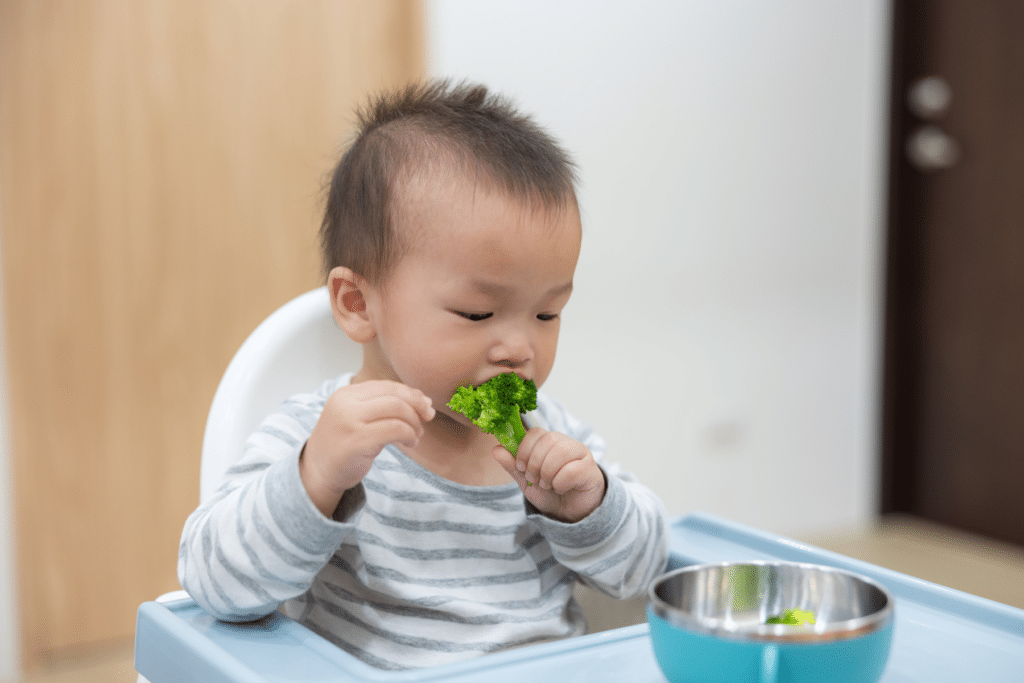
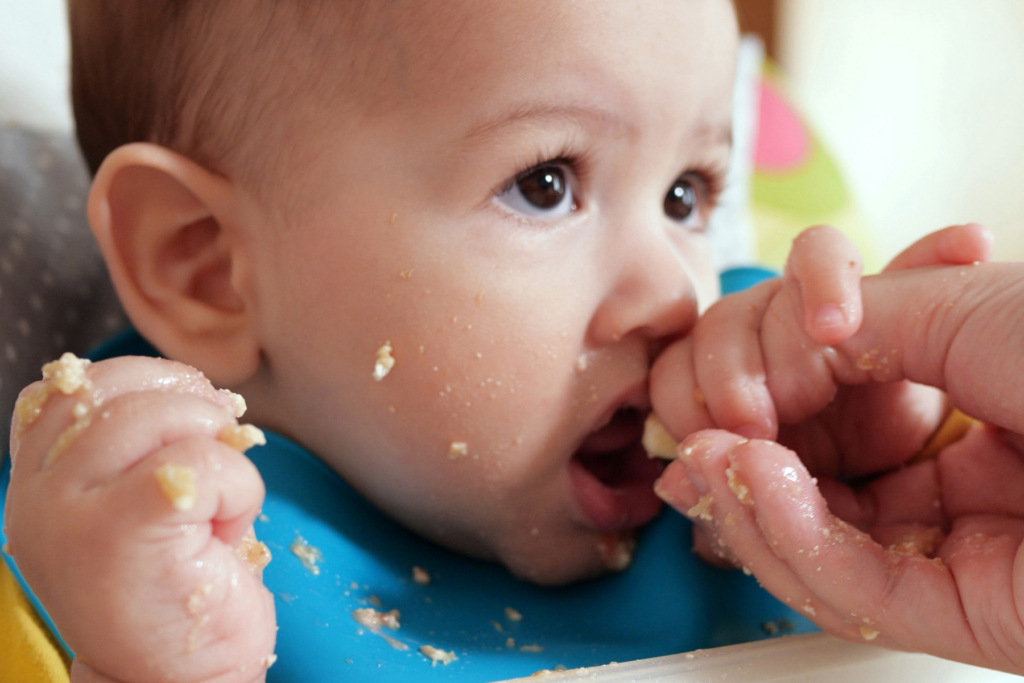
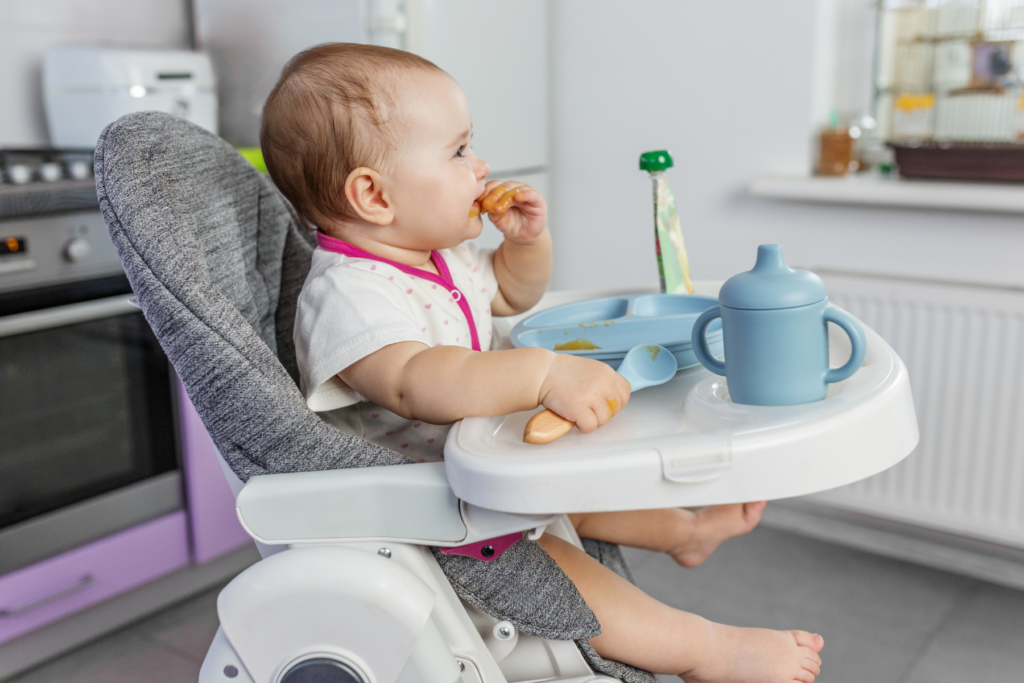
Between 6–12 months of age, many infants enter what research-supported feeding experts often refer to as the adventurous eating phase: a developmental window when babies are especially open to new flavors, textures, and foods. During this period, infants are typically more willing (and even eager) to explore what’s offered to them.
This short window can have a long-term impact on food acceptance, diet variety, and eating habits later in childhood and adulthood.
What Is the Adventurous Eating Phase?
The adventurous eating phase refers to the period during early complementary feeding, roughly 6 to 12 months of age, when babies are neurologically and developmentally ready to accept a wide range of tastes and textures.
During this time:
- Babies show increased curiosity toward food
- Neophobia (fear of new foods) is typically low
- Repeated exposure is more likely to lead to acceptance
Research suggests it may be easier to introduce new textures and flavors earlier rather than later, as long as foods are developmentally appropriate and safely prepared. (1)
Why Early Flavor and Texture Exposure Matter
Taste Preferences Begin Earlier Than You Think
Taste learning doesn’t start with the first bite of solid food.
Studies show that flavor exposure begins in utero and continues through:
- Amniotic fluid during pregnancy
- Breast milk during lactation
- Complementary foods during infancy
Flavors from a mom’s diet pass into amniotic fluid and breast milk, meaning babies experience repeated exposure to the tastes of their family’s foods long before sitting in a high chair. This can help shape later food preferences. (1) (2)
Children are born with an innate preference for sweet and salty flavors and a natural dislike of bitter tastes. However, research consistently shows that frequent, repeated exposure to a wide variety of flavors can modify these early preferences. (3) (4)
What the Research Says About the 6–12 Month Window
1. Frequent Taste Variation Builds Acceptance
Studies demonstrate that prioritizing frequent taste variation between 6–12 months is associated with greater acceptance of fruits and vegetables later in life. Infants can discriminate between flavors early on, and exposure to both specific foods and a variety of flavors increases willingness to eat a diverse diet. (1) (3)
Longitudinal research has found that infants exposed to more fruits and vegetables early on consumed higher proportions of fruits and vegetables at 7 years of age. (5)
2. Don’t Delay Textures
One of the most consistent findings in pediatric feeding research is the importance of timely texture progression.
Delaying textured foods (beyond smooth purées) past 9–10 months has been associated with:
- Increased feeding difficulties
- Lower diet variety
- Reduced intake of fruits and vegetables
- More feeding problems later in childhood
In contrast, introducing textured foods between 6–9 months supports better acceptance of complex textures, such as those found in most fruits and vegetables. (2) (6) (7)
3. Early Exposure Predicts Later Eating Patterns
While not all studies prove cause-and-effect, a strong body of evidence shows that:
- Foods accepted in infancy often predict foods eaten in childhood and adulthood
- Early fruit and vegetable intake is linked to higher intake years later
- Early sensory experiences help establish lifelong dietary patterns (2)
Simply put: early food experiences matter.
How to Use the Adventurous Eating Phase Intentionally
If your goal is to raise a flexible, adventurous eater, here’s how to take advantage of this window:
✔ Prioritize Variety Early
Offer a wide range of flavors, textures, and food groups between 6–12 months. Variety matters more than perfection.
✔ Don’t Fear Texture
Progress beyond smooth purées when your baby is developmentally ready. Exposure to lumpy and textured foods supports oral-motor development and acceptance. Remember, purees are not a necessary stage of starting solids but can be used.
✔ Offer Repeated, Pressure-Free Exposure
Repeated exposure in a calm, supportive environment increases acceptance over time, even for initially rejected foods.
✔ Pair New Foods With Familiar Ones
Combining a novel food with a familiar or preferred food helps babies feel safe while experimenting.
✔ Start Before Solids Even Begin
During pregnancy and breastfeeding (when applicable), consuming a varied diet exposes infants to a broader range of flavors, which may increase later acceptance.
Will This Prevent Picky Eating?
There is no one strategy that completely prevents picky eating, and it’s important to say that clearly.
However, evidence strongly supports that early sensory and feeding experiences:
- Shape taste preferences
- Influence food acceptance
- Lay the foundation for diet diversity (8)
Even if picky eating emerges later (which is developmentally normal), children who had broader early exposure often have a stronger nutritional foundation to build on. Click here to read more about picky eating in our blog!
The Takeaway
If you haven’t started solids yet, this is your sign.
The adventurous eating phase (6–12 months) is a powerful opportunity to:
- Introduce many flavors and textures
- Build acceptance of fruits and vegetables
- Support healthier long-term eating habits
Early exposure doesn’t guarantee a non-picky eater, but it does help stack the odds in your child’s favor.
Want more evidence-based support for raising an adventurous eater? 101 Before One is an evidence-based baby-led weaning program with weekly meal plans and recipes to give your baby healthy, balanced dishes while feeding your family at the same time! Click here to learn more.
Sources:
Scudine KGO, Castelo PM, Hoppe JPM, Portella AK, Silveira PP. Early influences on Scudine KGO, Castelo PM, Hoppe JPM, Portella AK, Silveira PP. Early influences on development of sensory perception and eating habits. Adv Nutr. 2024;15(12):100325. doi:10.1016/j.advnut.2024.100325. PMID: 39532841.
Harris G, Coulthard H. Early eating behaviours and food acceptance revisited: breastfeeding and introduction of complementary foods as predictive of food acceptance. Curr Obes Rep. 2016;5(1):113–120. doi:10.1007/s13679-016-0202-2. PMID: 26956951; PMCID: PMC4796330.
Mennella JA, Trabulsi JC. Complementary foods and flavor experiences: setting the foundation. Ann Nutr Metab. 2012;60(Suppl 2):40–50. doi:10.1159/000335337. PMID: 22555188; PMCID: PMC3363345.
Bouhlal S, Issanchou S, Chabanet C, Nicklaus S. Just a pinch of salt: an experimental comparison of the effect of repeated exposure and flavor–flavor learning with salt or spice on vegetable acceptance in toddlers. Appetite. 2014;83:209–217. doi:10.1016/j.appet.2014.07.032. PMID: 25064879.
Ventura AK, Worobey J. Early influences on the development of food preferences. Curr Biol. 2013;23(9):R401–R408. doi:10.1016/j.cub.2013.02.037. PMID: 23660363.
Coulthard H, Harris G, Emmett P; ALSPAC Team. Long-term consequences of early fruit and vegetable feeding practices. Public Health Nutr. 2010;13(12):2044–2051. doi:10.1017/S1368980010000790. PMID: 20487531.
Northstone K, Emmett P, Nethersole F; ALSPAC Study Team. The effect of age of introduction to lumpy solids on foods eaten and reported feeding difficulties at 6 and 15 months. J Hum Nutr Diet. 2001;14(1):43–54. doi:10.1046/j.1365-277x.2001.00264.x. PMID: 11301932.
Nicklaus S, Boggio V, Chabanet C, Issanchou SA. Prospective study of food preferences in childhood. Food Qual Prefer. 2004;15:805–818. doi:10.1016/j.foodqual.2004.02.010.
Want more? My course is a 100% evidence-based approach to starting solids in a way that encourages a healthy dietary pattern from the start.
Check out the Starting Solids 101 Course now!

Cinthia Scott is a Registered Dietitian (RD) and International Board Certified Lactation Consultant (IBCLC) with over 10 years experience in the field of dietetics. Cinthia focuses on ensuring optimal nutrition in the first 1000 days of life to ensure optimal growth and development as well as set the stage for long-term health. Cindy is an author, starting solids expert, and advocate for caregivers receiving evidence based education and support surrounding breastfeeding and starting solids.
Cinthia is co-author of the 101beforeone Starting Solids Book, “101beforeone -baby-led feeding cookbook,” and is the founder and owner of The Baby Dietitian LLC which is her private practice built to provide virtual 1:1 services for caregivers surrounding infant nutrition, toddler nutrition, and breastfeeding support. Cinthia is also the creator of the Starting Solids 101 Program which provides caregivers 1:1 support from a Pediatric Dietitian on how to provide optimal nutrition from the start and create healthy eating habits that will last their whole lifetime. To work with Cinthia, you can access her services here.
Cinthia provides tons of free information for parents on her social media accounts as well.
- Instagram: @The.Baby.Dietitian
- Tiktok: @The.Baby.Dietitian