

Dietitian Approved Store-Bought Baby Food Pouches!
If you’re wondering whether baby food purees are necessary when starting solids — the short answer is: no, they are not required.
But they can be convenient, nutritious, and comforting when first introducing solids.
As a pediatric dietitian and mom of three, I’m often asked:
- What are the healthiest baby food pouches?
- Which store-bought purees contain iron?
- Are baby food pouches safe?
- What should I look for on a baby food label?
So today I’m sharing my favorite dietitian-approved store-bought baby food pouches, plus exactly what to look for when buying them.
Affiliate Disclosure: Some of the links in this post are affiliate links. This means I may earn a small commission if you choose to purchase through them — at no additional cost to you. I only share products I personally use, recommend, or believe are aligned with evidence-based infant nutrition.
Are Purees Necessary When Starting Solids?
Purees are not a required stage of baby-led weaning or starting solids. However, they can absolutely fit into a balanced feeding approach.
If you choose to offer purees (homemade or store-bought), avoid staying on one smooth consistency for too long. Extended exposure to only thin purees may increase the risk of texture preference.
To support oral motor development and a diverse palate:
- Gradually advance textures
- Offer finger foods alongside purees
- Serve foods minimally mashed instead of fully blended
If you want balanced mashed meal ideas that meet nutrient needs while supporting texture progression, check out my easy mashed baby meal guide here.
Quick Notes on Baby Food Pouch Use
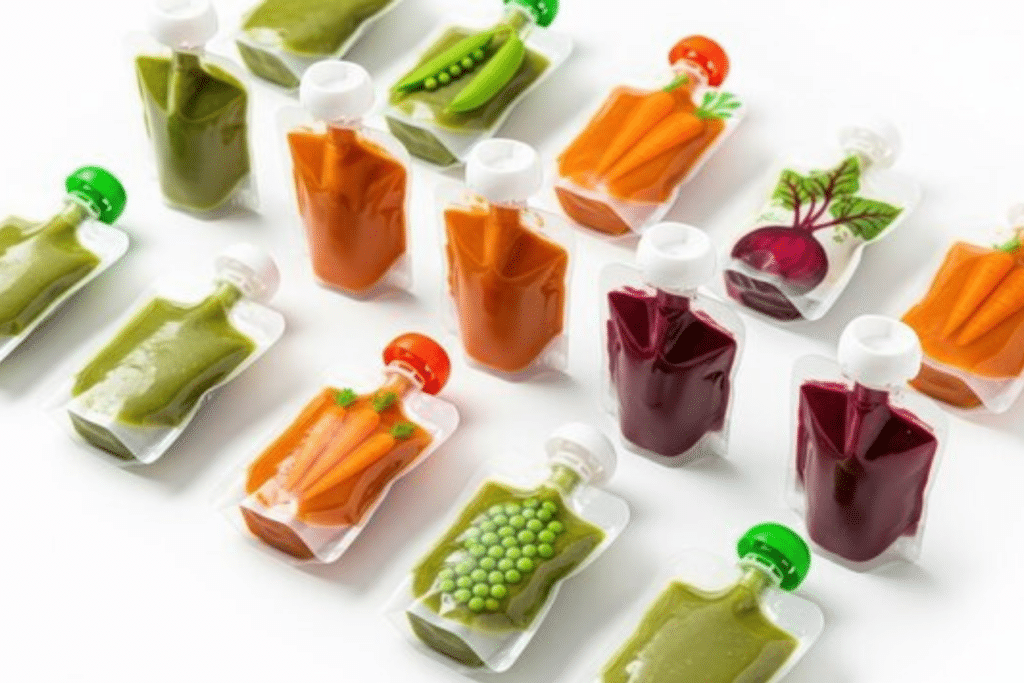
Baby food pouches can be convenient, portable, and helpful in certain situations — and occasional pouch use is not shown to be harmful for most children. However, when possible, we recommend that most baby meals and snacks happen seated at the table as part of a multi-sensory feeding experience.
Eating from a pouch (sucking purée directly from the spout) is very different from self-feeding with a spoon or using hands to explore food. Traditional self-feeding supports:
- Oral motor development and chewing skills
- Sensory exposure to different textures
- Fine motor skill development
- Hunger and fullness awareness (mindful eating)
- Positive mealtime routines
Pouch feeding is typically faster, requires less oral skill, and may not provide the same developmental benefits as spoon-feeding or baby-led feeding approaches.
Another important consideration: many baby food pouches are primarily carbohydrate-based (often fruit-forward) and may not offer the protein, fat, and iron needed for a balanced baby meal. While some newer options are more nutritionally balanced, most pouches are best viewed as a snack or occasional convenience item rather than a primary source of nutrition.
What to Look for in Healthy Baby Food Pouches
Not all baby food pouches are created equal.
Here’s what I look for when purchasing store-bought baby food for my own kids:
1. No Added Sugar or Artificial Sweeteners
Babies should not be given added sugar or artificial sweeteners, if possible. Always check the ingredient list. Full blog post on added sugar here!
2. Contains Key Nutrients Babies Need
Many babies fall short on:
- Iron
- Vitamin D
- Fats
- Choline
I prioritize pouches that contribute meaningful amounts of these nutrients.
3. Not Solely Fruit-Based
Fruit is wonderful — but fruit-only pouches are mostly carbohydrates and often contain little to no iron or fat.
Babies have high nutrient needs relative to their size. We want meals and snacks to include:
- Iron
- Protein
- Fat
4. Clean Label Project Certification
Heavy metals in baby food are a common concern. I prefer brands that are Clean Label Project certified, meaning they’ve been tested and meet strict standards.
If you rely heavily on store-bought baby food, this is especially important.
For more help, check out my full baby food label reading guide.
Best Store-Bought Baby Food Pouches (Dietitian Picks)
In no particular order, here are the brands I personally buy and recommend.
Cerebelly – Best for Overall Nutrition
Cerebelly was created by medical professionals with a strong focus on neurodevelopment during the first 1,000 days — a critical window when brain growth is at its peak. Their products provide meaningful amounts of key nutrients that are often underconsumed in babies’ diets, including iron, vitamin D, choline, and more.
Why I love them:
- Clean Label Project certified
- No added sugar
- Meaningful amounts of iron, vitamin D, and choline
For example, their Broccoli Pear pouch contains:
- 2.3 mg iron
- 3 mcg vitamin D
That’s significant for a single pouch.
If you’re looking for baby food pouches with iron and brain-supporting nutrients, this is a strong option. Discount Code and Link: THEBABYDIETICIAN
Brainiac – Best for Brain Health
Brainiac is a highly innovative baby-food brand that truly focuses on meeting our child’s brain health needs through brain-boosting pouches that are packed with omega-3’s and choline.
Their Little Brainiacs pouches contain omega-3s and choline.
Their Neuro+ Smoothie line includes:
- Full-fat dairy
- 35 mg DHA/EPA per pouch
- 110 mg choline per pouch
- Added milk fat globule membrane (MFGM)
All products are:
- Clean Label Project verified
- Certified organic
- Free from added sugar and artificial sweeteners
If you want a baby pouch that delivers more than just fruit purée, this one stands out in the nutrition department.
Once Upon a Farm – Best for Simple Ingredients
If you prefer minimal ingredients and fresh produce-based blends, this brand is a great fit.
- Clean Label Project certified
- No artificial flavors, colors, or sweeteners
- Cold-pressed to help preserve nutrients
- Refrigerated (must stay cold)
They also offer a Smart Blend line with added choline and omega-3s. Great for parents looking for organic baby food pouches with simple ingredients.
Discount Code and Link: BABY DIETITIAN
Serenity Kids – Best for Iron & Savory Flavors
These meat-forward pouches are excellent for adding small amounts of iron and savory exposure.
Most contain about 1 mg of iron per pouch, compared to 0 mg in many fruit-only pouches.
Babies 7–12 months require 11 mg of iron per day. That’s why I prioritize iron-rich options at meals and snacks. Check out my full blog post on meeting babies’ iron needs here.
What makes them stand out:
- Grass-fed meats and free-range poultry
- Clean Label Project verified
- ~5 g fat per pouch
- Simple ingredient lists
My personal favorite: the wild-caught salmon pouch for an easy omega-3 boost. If you’re looking for a baby food pouch that offers savory flavor exposure beyond sweet options while also supporting healthy fat intake, this is one of my top recommendations.
Discount Code and Link: “THEBABYDIETITIAN” 15% off
Are Store-Bought Baby Food Pouches Healthy?
They can be, if chosen intentionally.
The key is focusing on:
- Nutrient density
- Ingredient quality
- Iron content
- Fat content
- Texture progression
Pouches should not replace exposure to finger foods and varied textures, but they can absolutely be part of a balanced starting solids plan. Want to know what I fed my baby the first week of starting solids? Grab my first week starting solids plan here.
Final Takeaway
Purees are not required, but they can be helpful!
When buying store-bought baby food pouches:
- Avoid added sugar
- Prioritize iron and fat
- Limit fruit-only blends
- Choose brands tested for heavy metals
When used strategically, baby food pouches can support brain development, nutrient intake, and parent confidence.food preferences in childhood.
Want more? My course is a 100% evidence-based approach to starting solids in a way that encourages a healthy dietary pattern from the start.
Check out the Starting Solids 101 Course now!
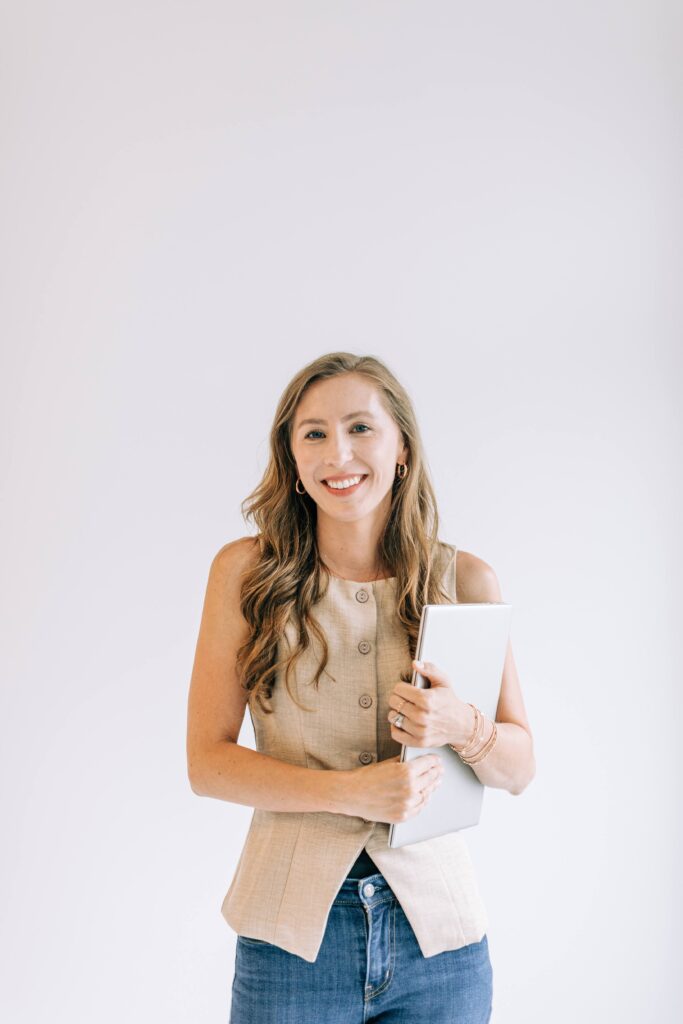
Cinthia Scott is a Registered Dietitian (RD) and International Board Certified Lactation Consultant (IBCLC) with over 10 years experience in the field of dietetics. Cinthia focuses on ensuring optimal nutrition in the first 1000 days of life to ensure optimal growth and development as well as set the stage for long-term health. Cindy is an author, starting solids expert, and advocate for caregivers receiving evidence based education and support surrounding breastfeeding and starting solids.
Cinthia is co-author of the 101beforeone Starting Solids Book, “101beforeone -baby-led feeding cookbook,” and is the founder and owner of The Baby Dietitian LLC which is her private practice built to provide virtual 1:1 services for caregivers surrounding infant nutrition, toddler nutrition, and breastfeeding support. Cinthia is also the creator of the Starting Solids 101 Program which provides caregivers 1:1 support from a Pediatric Dietitian on how to provide optimal nutrition from the start and create healthy eating habits that will last their whole lifetime. To work with Cinthia, you can access her services here.
Cinthia provides tons of free information for parents on her social media accounts as well.
- Instagram: @The.Baby.Dietitian
- Tiktok: @The.Baby.Dietitian