
My Unexpected Birth Story: Emergency C-Section, NICU Stay, and Finding Gratitude
I thought I would be writing a redemptive birth story about finally getting my chance at a vaginal delivery.
Instead, this became a story of an unexpected early delivery, an emergency C-section, and a six-day NICU stay.
It was shocking, overwhelming, and completely out of our control—but it’s also a story of deep gratitude, because our baby girl is now healthy and home.
The Morning Everything Changed
At 37 weeks and 3 days—12 days before my scheduled C-section—I suddenly started bleeding.
It was 6:30 a.m., and I was bending down to grab socks for my boys when I felt a gush of blood. Panic set in immediately.
By God’s grace, my husband hadn’t left for work yet. I quickly called our nanny, grabbed our hospital bags, and contacted my doctor as we rushed out the door.
During the 35-minute drive to the hospital, I felt no pain—but our baby girl was incredibly active. Her constant movement gave me a small sense of peace, even as my mind raced trying to understand what was happening.
Contractions, Uncertainty, and a Big Decision
We arrived at the hospital at 7:31 a.m. and were immediately placed on monitors.
The bleeding had slowed, but contractions had started—every 5–6 minutes. IV fluids were given to try to stop labor, and labs were drawn to check for a possible placental abruption.
At first, we truly believed we would go home.
But the contractions didn’t stop. They became stronger, closer together, and more consistent.
By 9:30 a.m., we had to make a decision: go forward with a C-section or risk going home with ongoing bleeding and progressing labor.
Although my labs were inconclusive, my doctor strongly recommended a C-section as the safest option.
Our baby was breech, which meant a vaginal birth after cesarean (VBAC)—something I had prayed so hard for—was no longer possible.
At 10:00 a.m., we said yes to the C-section.
Processing an Unplanned Birth
As everything unfolded, I found myself mentally disconnecting.
I was grieving the birth experience I had hoped for while also trying to prepare for the reality that our baby might need medical support after delivery.
Even so, our care team reassured us that at 37 weeks, outcomes are typically very positive. We held onto that hope.
Delivery and a Scary Turn
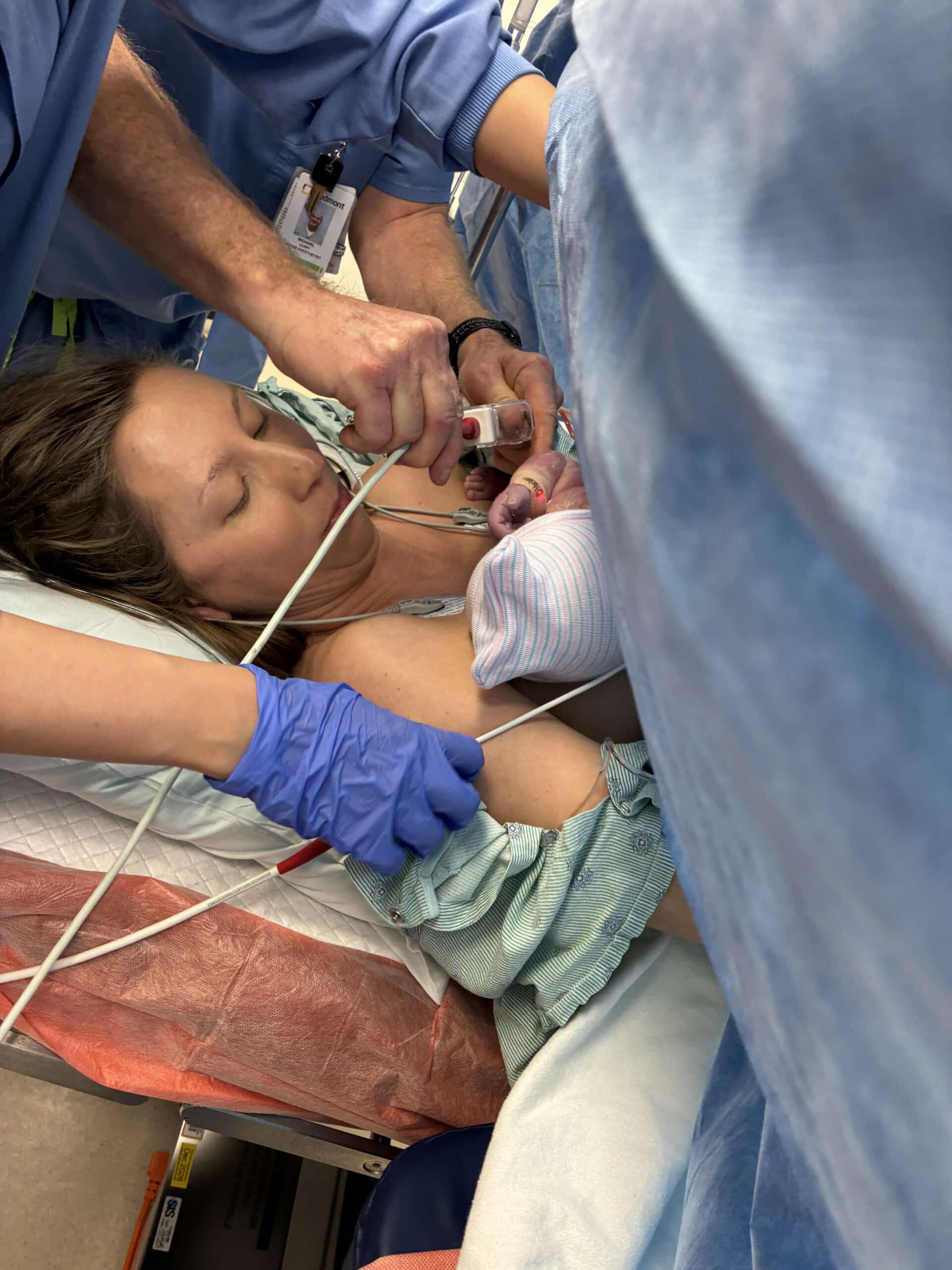
At 12:56 p.m., our daughter was born.
She came out crying, with strong APGAR scores (8 and 8) and a healthy weight of 7 pounds, 3 ounces.
Initially, everything looked okay.
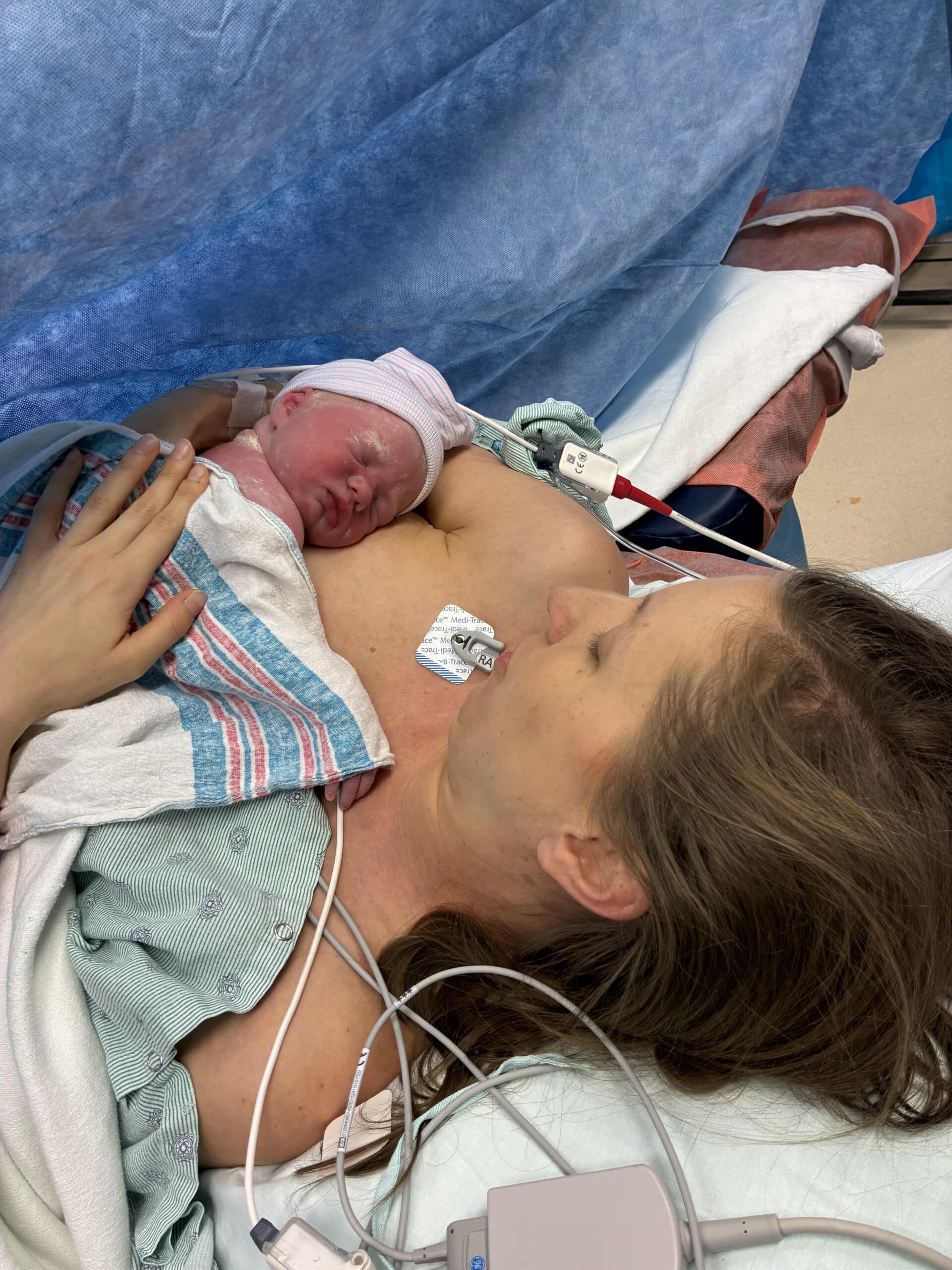
But because her oxygen levels were low, she needed CPAP for about 10 minutes. After that, they placed her on my chest for skin-to-skin.
Almost immediately, I felt something was wrong.
She was too still. Too quiet. I kept asking if she was okay.
They resumed CPAP while she was on my chest, and I’m incredibly grateful for that short time I had to hold her—because shortly after, she was taken to the NICU.
NICU Admission and Separation
When her breathing didn’t improve, the team made the decision to admit her to the NICU.
I went to recovery in shock.
I fought to stay awake through the medication because I was terrified of missing updates. I was also deeply aware that we were missing that critical “golden hour” for feeding and bonding.
With the help of an incredible lactation team, I began hand expressing milk in the recovery room.
As soon as she was stable, I was taken to see her in the NICU.
Seeing my newborn connected to wires, lying in an isolette, with a CPAP mask covering her face was heartbreaking. I couldn’t even fully see her features.
While we were so grateful she was alive, we were devastated that she wasn’t in our arms.
What Caused the Early Delivery?
We still don’t have clear answers.
Doctors suspected a possible placental abruption, but it couldn’t be confirmed. The NICU team also noted that her lungs appeared more like those of a premature baby rather than a full-term infant.
One important takeaway: my OB later shared that my uterus was extremely thin, and attempting a VBAC could have been very dangerous for both me and my baby.
In that way, this unexpected outcome may have been protective.
Six Days in the NICU
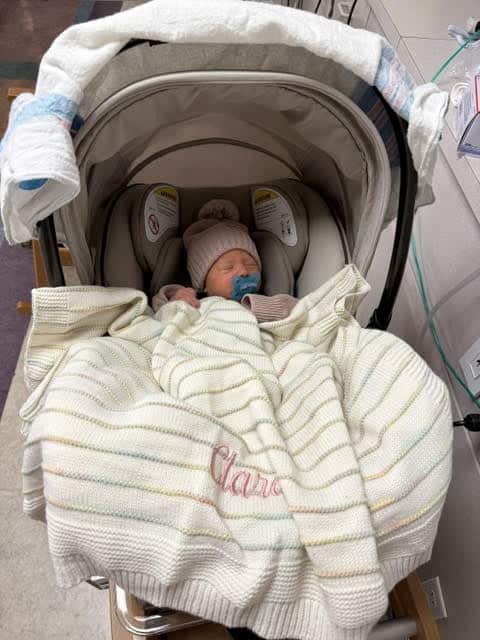
Our daughter spent six days in the NICU, requiring breathing support, including intubation, and constant monitoring.
Those days were filled with fear, uncertainty, and emotional exhaustion.
I’ll be sharing more about our NICU experience in a separate post.
Finding Gratitude in a Difficult Birth Story
This was not the birth story I envisioned.
An early delivery. An emergency C-section. A NICU stay. So much uncertainty.
But through it all, we experienced incredible care from our medical team and unwavering faith that carried us through the hardest moments.
Our baby girl is now healthy. She is home. And for that, we are endlessly grateful.
Want more? My course is a 100% evidence-based approach to starting solids in a way that encourages a healthy dietary pattern from the start.
Check out the Starting Solids 101 Course now!
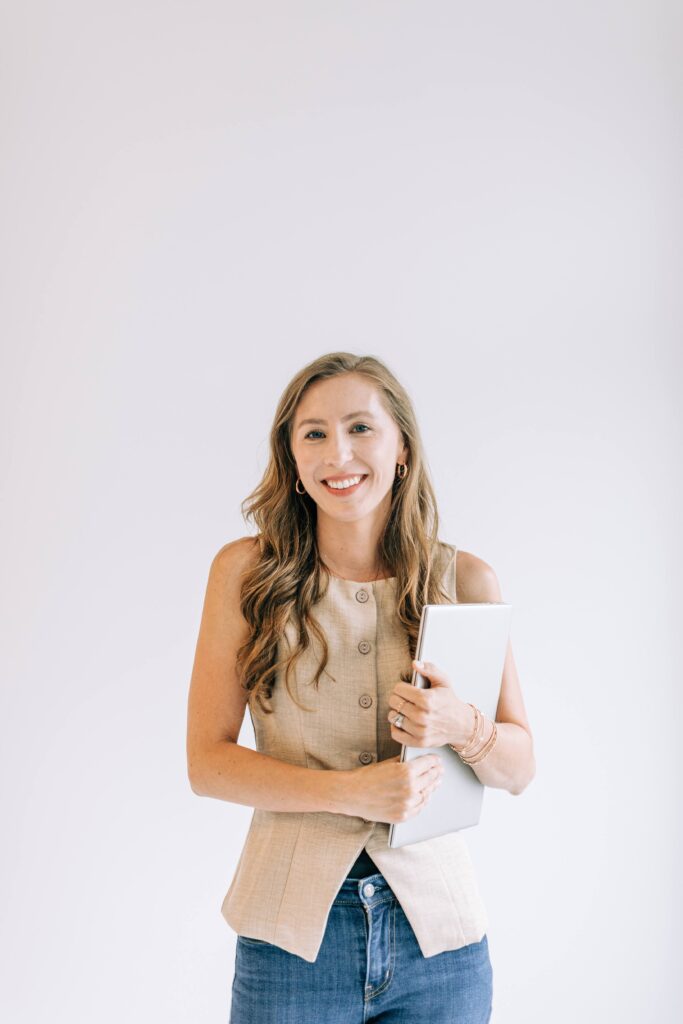
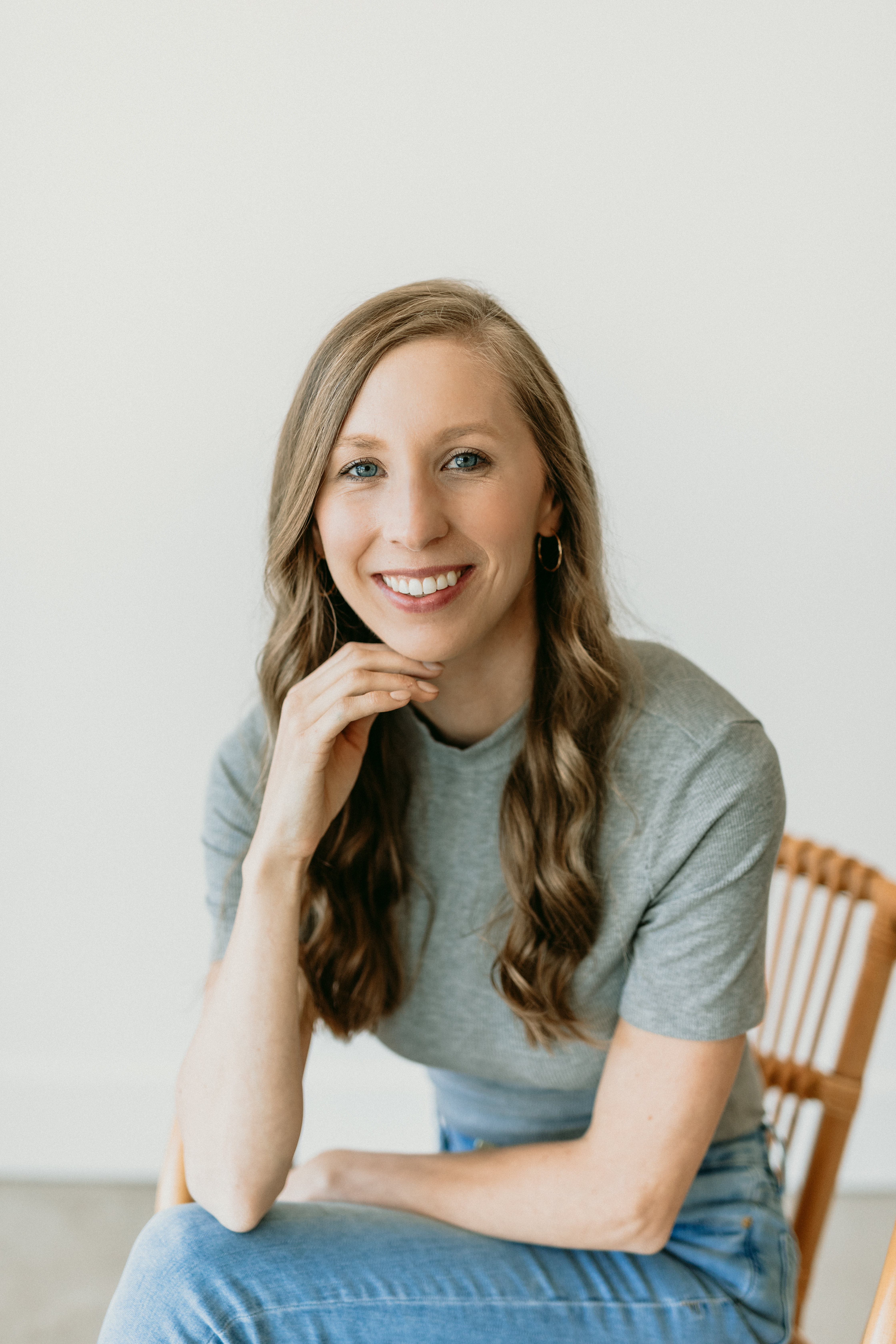
Cinthia Scott is a Registered Dietitian (RD) and International Board Certified Lactation Consultant (IBCLC) with over 10 years experience in the field of dietetics. Cinthia focuses on ensuring optimal nutrition in the first 1000 days of life to ensure optimal growth and development as well as set the stage for long-term health. Cindy is an author, starting solids expert, and advocate for caregivers receiving evidence based education and support surrounding breastfeeding and starting solids.
Cinthia is co-author of the 101beforeone Starting Solids Book, “101beforeone -baby-led feeding cookbook,” and is the founder and owner of The Baby Dietitian LLC which is her private practice built to provide virtual 1:1 services for caregivers surrounding infant nutrition, toddler nutrition, and breastfeeding support. Cinthia is also the creator of the Starting Solids 101 Program which provides caregivers 1:1 support from a Pediatric Dietitian on how to provide optimal nutrition from the start and create healthy eating habits that will last their whole lifetime. To work with Cinthia, you can access her services here.
Cinthia provides tons of free information for parents on her social media accounts as well.
- Instagram: @The.Baby.Dietitian
- Tiktok: @The.Baby.Dietitian