

I’m a Lactation Consultant… and I Still Got “Clogged Ducts.” Here’s What Actually Helped.
I’m a lactation consultant… and I got two “clogged ducts” this week.
Yes – even with the knowledge, experience, and years of breastfeeding under my belt, it can still happen.
But here’s the most important thing I want every breastfeeding mom to understand:
It’s Not Actually a “Clogged Duct”
What we commonly call a “clogged duct” is not a solid blockage of milk.
It is actually ductal narrowing caused by inflammation and swelling.
That means treatment should focus on: 👉 Reducing inflammation, not forcing milk out
This is a major shift from older recommendations, and it changes everything about how we manage symptoms.
Step 1: Identify the Cause
Before treating it, I asked myself why this happened.
In my case, the cause was simple:
I had started wearing a nursing cami that was slightly too tight to bed.
That small amount of pressure was enough to contribute to inflammation.
Other common causes include:
- Restrictive clothing or tight bras
- Missed feedings
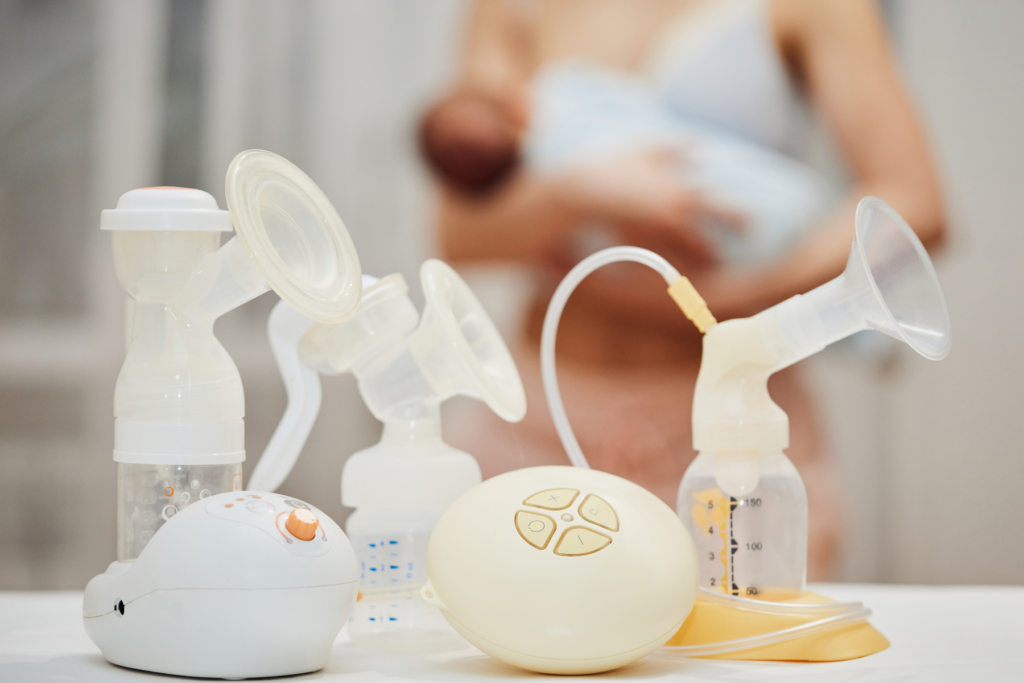
- Improper pump use or flange fit
- Shallow latch
- External pressure (babywearing, seatbelts, sleeping positions)
- Oversupply
- Rapid weaning
Bottom line: Reducing the source of pressure or irritation is key.
Step 2: Use an Anti-Inflammatory Approach
This is where the biggest change in guidance has happened.
Instead of heat and aggressive emptying, current evidence supports reducing inflammation.
Here’s what I did:
❄️ Ice, Not Heat
I used ice packs between nursing sessions to reduce swelling and pain.
Older advice often recommended heat – but cold therapy is now preferred for inflammation.
💊 Anti-Inflammatory Support
Ibuprofen can be helpful to reduce inflammation and discomfort.
I personally didn’t need it, but it is an evidence-based option if symptoms are more uncomfortable. As always, discuss medication usage with your MD.
😴 Rest + Hydration
I prioritized rest as much as possible (which isn’t easy with kids) and stayed well hydrated.
Sometimes, a clogged duct is your body’s way of saying: slow down.
Step 3: Keep Feeding: But Don’t Overdo It
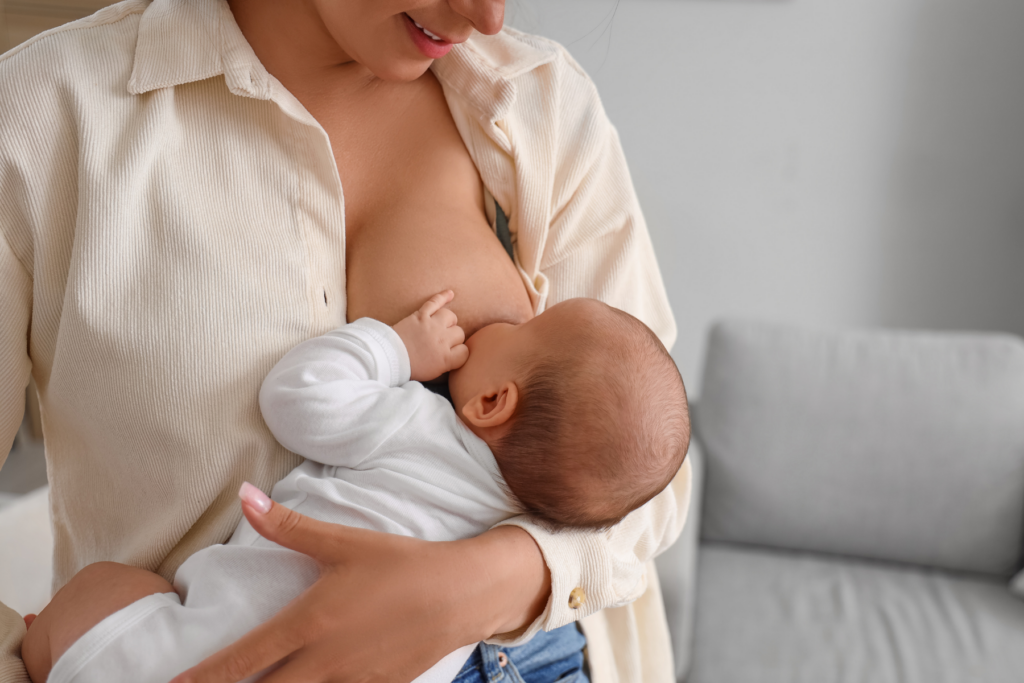
I continued to breastfeed on demand and avoided long gaps between feeds.
But equally important – I did not:
- Over-pump
- Try to “fully empty” the breast repeatedly
- Add excessive extra stimulation
Over-removal can actually worsen inflammation by increasing milk production.
Instead, I focused on:
- Normal feeding patterns
- Ensuring a deep, effective latch
Step 4: Gentle Massage Only
I used a very light massage (lymphatic drainage) while nursing and pumping.
This can help—but only when done gently.
🚫 What I avoided:
- Deep tissue massage
- Aggressive pressure
- Trying to “push out” a clog
These can:
- Increase tissue injury
- Worsen swelling
- Delay healing
Step 5: Support Your Body (Including Nutrition)
I continued taking my prenatal vitamin with choline and focused on incorporating choline-rich foods. Choline rich foods include beef, chicken, eggs, soybeans, liver, fish, beans, cod. Find a full list of choline rich food sources here.
Choline has been associated with reduced inflammation and may play a role in preventing recurrent clogged ducts.
It’s also the main component in sunflower lecithin, which is often used to support milk flow.
Sources:
- Chan MM et al. Journal of Pediatric Gastroenterology and Nutrition. 2003
- Patel SH et al. Scientific Reports. 2017
Step 6: Reduce External Pressure
I stopped wearing the tight cami immediately and made sure to:
- Wear a non-restrictive bra
- Avoid unnecessary pressure on the breast
- Be mindful of positions during sleep and babywearing
This step is often overlooked – but incredibly important.
What I Didn’t Do (Outdated Advice to Skip)
According to the Academy of Breastfeeding Medicine (ABM Protocol #36, 2022), we should avoid:
- Trying to forcefully push out a clog
- Excessive pumping
- Deep breast compression
These approaches can actually make inflammation worse.
When to Seek Medical Care
Most cases resolve quickly with conservative care.
In my case, my symptoms resolved within 24–28 hours.
However, you should contact your OB-GYN, midwife, or healthcare provider if:
- Symptoms persist beyond 24–48 hours
- You develop fever, chills, or flu-like symptoms
This could indicate bacterial mastitis, which may require antibiotics.
Evidence-Based Summary (What Actually Works)
Per the Academy of Breastfeeding Medicine:
- Prioritize inflammation reduction
- Maintain normal feeding/pumping (avoid over-removal)
- Use gentle, not aggressive, massage
This approach protects breast tissue and supports healing.
Practical Tips for Relief
If you’re dealing with a clogged duct, here’s a simple plan:
- Apply cold compresses
- Breastfeed on demand
- Use gentle massage only
- Consider ibuprofen if needed
- Rest and stay hydrated
- Wear a supportive (not tight) bra
- Start feeds on the affected side
- Vary feeding positions
The Bottom Line
The biggest shift in breastfeeding care is this:
Old advice:
“Massage it out, apply heat, and empty the breast”
Updated guidance:
👉 “Reduce inflammation, protect the tissue, and avoid overstimulation”
If you’re currently dealing with this, know that you’re not doing anything wrong.
Even as a lactation consultant, I still experienced it.
With the right approach, your body can heal quickly.
Want more? My course is a 100% evidence-based approach to starting solids in a way that encourages a healthy dietary pattern from the start.
Check out the Starting Solids 101 Course now!

Cinthia Scott is a Registered Dietitian (RD) and International Board Certified Lactation Consultant (IBCLC) with over 10 years experience in the field of dietetics. Cinthia focuses on ensuring optimal nutrition in the first 1000 days of life to ensure optimal growth and development as well as set the stage for long-term health. Cindy is an author, starting solids expert, and advocate for caregivers receiving evidence based education and support surrounding breastfeeding and starting solids.
Cinthia is co-author of the 101beforeone Starting Solids Book, “101beforeone -baby-led feeding cookbook,” and is the founder and owner of The Baby Dietitian LLC which is her private practice built to provide virtual 1:1 services for caregivers surrounding infant nutrition, toddler nutrition, and breastfeeding support. Cinthia is also the creator of the Starting Solids 101 Program which provides caregivers 1:1 support from a Pediatric Dietitian on how to provide optimal nutrition from the start and create healthy eating habits that will last their whole lifetime. To work with Cinthia, you can access her services here.
Cinthia provides tons of free information for parents on her social media accounts as well.
- Instagram: @The.Baby.Dietitian
- Tiktok: @The.Baby.Dietitian