


One of the most common questions I hear from new parents is:
“Is my baby getting enough milk?”
Unlike bottle feeding, you can’t see exactly how much your baby is taking in at the breast—which can feel stressful, especially in those early weeks. The good news? There are several reliable, evidence-based ways to assess whether your baby is feeding well and getting adequate milk.
Let’s walk through what’s normal, and what to look for.
1. Weight Gain: The Gold Standard
Growth is one of the most important indicators of adequate intake.
Early weight patterns
- It’s normal for newborns to lose up to 5–7% of birth weight in the first few days (largely due to fluid shifts).
- Most babies regain birth weight by 7–14 days.
⚠️ If weight loss exceeds 7% or continues beyond day 5, a feeding evaluation is recommended.
Expected weight gain
0–4 weeks:
- Girls: ~1 oz/day (29 g)
- Boys: ~1.2 oz/day (34 g)
First 4 months:
- ~4–7 oz per week
Remember: while these are averages based on WHO growth standards, the most important factor is that your baby is consistently following their own growth curve.
2. Daily Milk Intake: What’s Typical?
Research shows that most breastfed babies consume:
- ~25–35 oz (750–1,035 mL) per day on average
A helpful rule of thumb:
- ~2.5 oz per pound of body weight per day
Example:
- 10 lb baby → ~25 oz/day
- 7 lb baby → ~17.5 oz/day
By age (averages)
- ~1 month: ~21 oz/day
- ~3–6 months: ~25 oz/day
- ~12 months: ~20 oz/day
Keep in mind: intake varies widely between babies—and that’s normal.
3. Feeding Frequency Matters More Than Ounces
In the early weeks:
- Expect 8–12 feedings per 24 hours
- Feed on demand, following hunger cues
Newborns typically take:
- 1–2 oz per feed in the first week
As babies grow, intake per feed increases—but not evenly.
👉 Focus on the 24-hour pattern, not individual feeds.
Breastfed babies naturally vary how much they take at each feeding.
4. Diaper Output: A Simple, Reliable Indicator
Diaper output is one of the easiest ways to assess intake in the early days.
Stool expectations (minimums)
- Day 1: at least 1 bowel movement
- Day 2: at least 2
- Day 3: at least 3
- Day 4+: at least 4 per day
Wet diapers
- At least 5–6 wet diapers per day
Consistent output is a strong sign your baby is getting enough milk.
5. What to Look for During and After Feeds
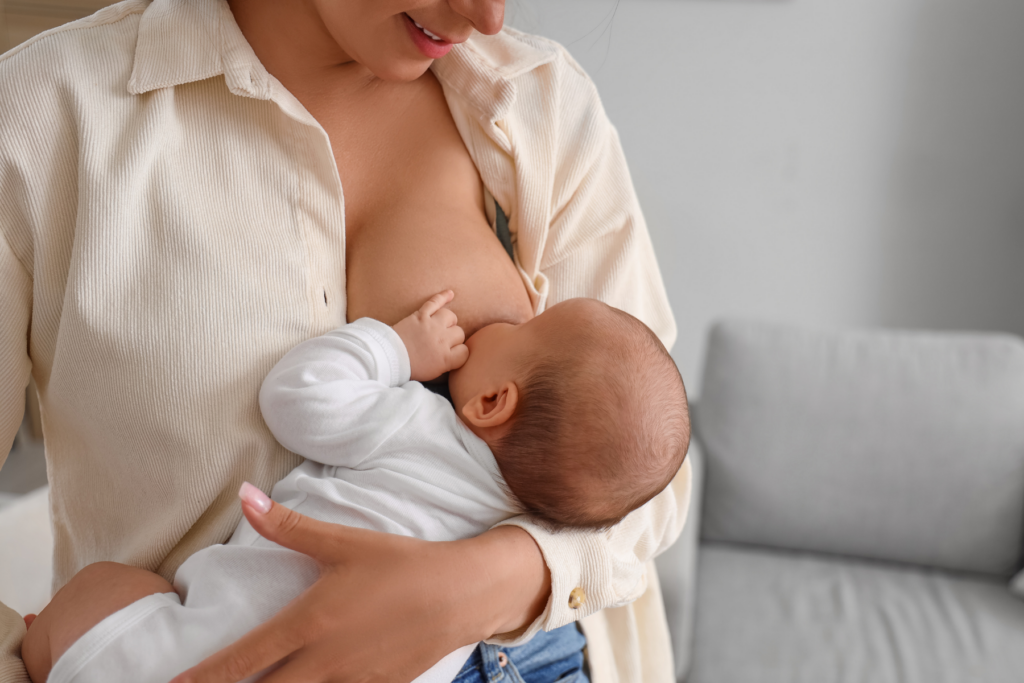
Signs of effective milk transfer:
- Audible swallowing
- Milk visible in baby’s mouth
- Deep, comfortable latch
After feeds:
- Baby appears content and relaxed
- Hands are open and soft (not clenched)
- Natural sleepiness after feeding can be normal
If you’re unsure about latch or milk transfer, working with an IBCLC can be incredibly helpful.
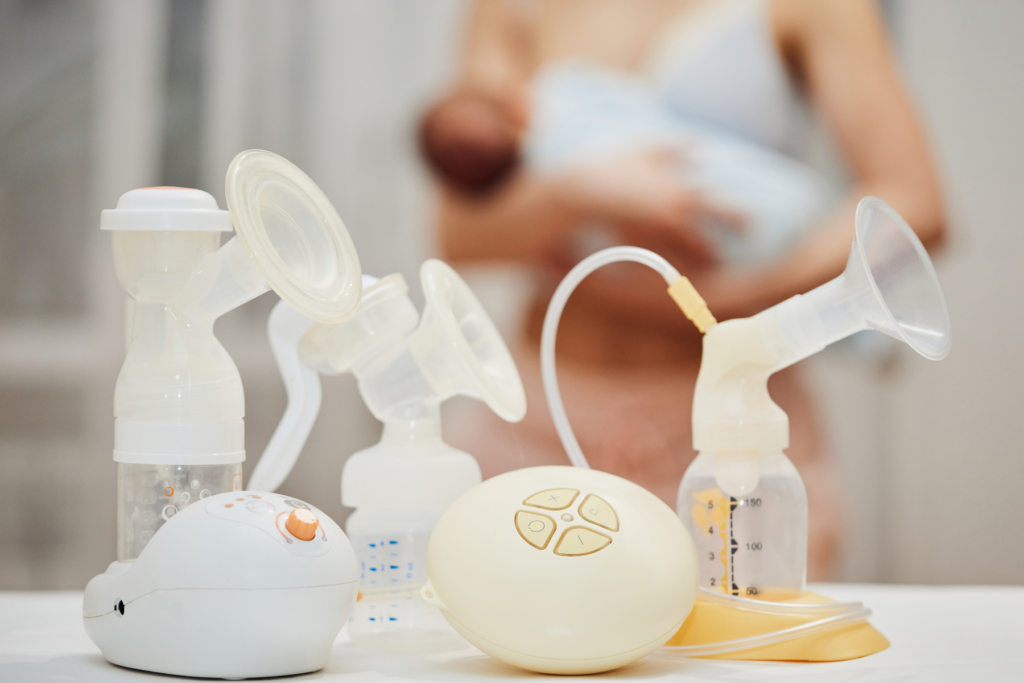
6. Pump Output: What’s Normal (and What’s Not)
Pump output often causes unnecessary stress—so let’s put it into perspective.
Exclusively pumping:
- Typical: 2–4 oz per session (both breasts combined)
Pumping after nursing (building a stash):
- Typical: 0.5–2 oz total
Oversupply:
- Some parents pump 4–8+ oz per session, but this is not the norm
Pump output varies based on:
- Time of day
- Time since last feed/pump
- Milk storage capacity
- Pump settings and flange fit
👉 Important: Pump output does NOT equal your milk supply.
7. If You’re Concerned About Low Intake or Output
Before assuming low supply, check:
- Flange size and pump fit
- Pump settings
- Frequency of milk removal
Support strategies:
- Skin-to-skin contact
- Gentle breast massage
- Warmth before pumping
- Prioritizing rest and stress reduction
And most importantly:
👉 Seek support from an IBCLC for a full feeding assessment
The Bottom Line
Instead of focusing on ounces alone, look at the full picture:
- ✔️ Steady weight gain
- ✔️ Adequate diaper output
- ✔️ Frequent feeding (8–12x/day early on)
- ✔️ Baby is satisfied after feeds
Breastfeeding is dynamic, intake varies from feed to feed and day to day. That’s normal.
When to Seek Support
Reach out to your pediatrician, pediatric dietitian, or IBCLC if:
- Baby hasn’t regained birth weight by 2 weeks
- Weight gain is slower than expected
- Fewer wet/dirty diapers
- Painful latch or feeding concerns
- You feel unsure about milk transfer
Early support makes a big difference.
References
- World Health Organization. WHO Child Growth Standards (2006, 2009)
- Wambach K, Spencer B. Breastfeeding and Human Lactation, 6th ed. (2021)
- Texas Children’s Hospital. Pediatric Nutrition Reference Guide, 12th ed. (2019)
- Pocket Guide for Lactation Management (2017)
- Demerath EW et al. Am J Hum Biol. 2007
- Rios-Leyvraz M, Yao Q. Breastfeed Med. 2023;18(3):188–197
Disclaimer
This content is for educational purposes only and is not intended to diagnose or treat medical conditions. If you have concerns about your baby’s growth or feeding, please consult your pediatrician or a qualified healthcare professional.
Want more? My course is a 100% evidence-based approach to starting solids in a way that encourages a healthy dietary pattern from the start.
Check out the Starting Solids 101 Course now!

Cinthia Scott is a Registered Dietitian (RD) and International Board Certified Lactation Consultant (IBCLC) with over 10 years experience in the field of dietetics. Cinthia focuses on ensuring optimal nutrition in the first 1000 days of life to ensure optimal growth and development as well as set the stage for long-term health. Cindy is an author, starting solids expert, and advocate for caregivers receiving evidence based education and support surrounding breastfeeding and starting solids.
Cinthia is co-author of the 101beforeone Starting Solids Book, “101beforeone -baby-led feeding cookbook,” and is the founder and owner of The Baby Dietitian LLC which is her private practice built to provide virtual 1:1 services for caregivers surrounding infant nutrition, toddler nutrition, and breastfeeding support. Cinthia is also the creator of the Starting Solids 101 Program which provides caregivers 1:1 support from a Pediatric Dietitian on how to provide optimal nutrition from the start and create healthy eating habits that will last their whole lifetime. To work with Cinthia, you can access her services here.
Cinthia provides tons of free information for parents on her social media accounts as well.
- Instagram: @The.Baby.Dietitian
- Tiktok: @The.Baby.Dietitian