

Hydration is one of the most common topics parents ask me about as a pediatric dietitian. Questions like “How much water does my toddler actually need?”, “Can babies drink water?”, and “What if my child refuses plain water?” come up constantly.
The good news is that hydration for babies and toddlers does not need to feel overwhelming. Once you understand age-appropriate fluid needs and what counts toward hydration, it becomes much easier to support healthy drinking habits.
In this guide, I’m breaking down:
- How much water babies and toddlers need
- Milk recommendations by age
- Signs of dehydration in children
- What to do if your toddler refuses water
- Hydrating foods and easy hydration ideas
- Common hydration mistakes parents make
As a pediatric dietitian, my goal is always to help parents create realistic, evidence-based nutrition habits that support growth and development without unnecessary stress.
Can Babies Drink Water?
Yes, but timing matters.
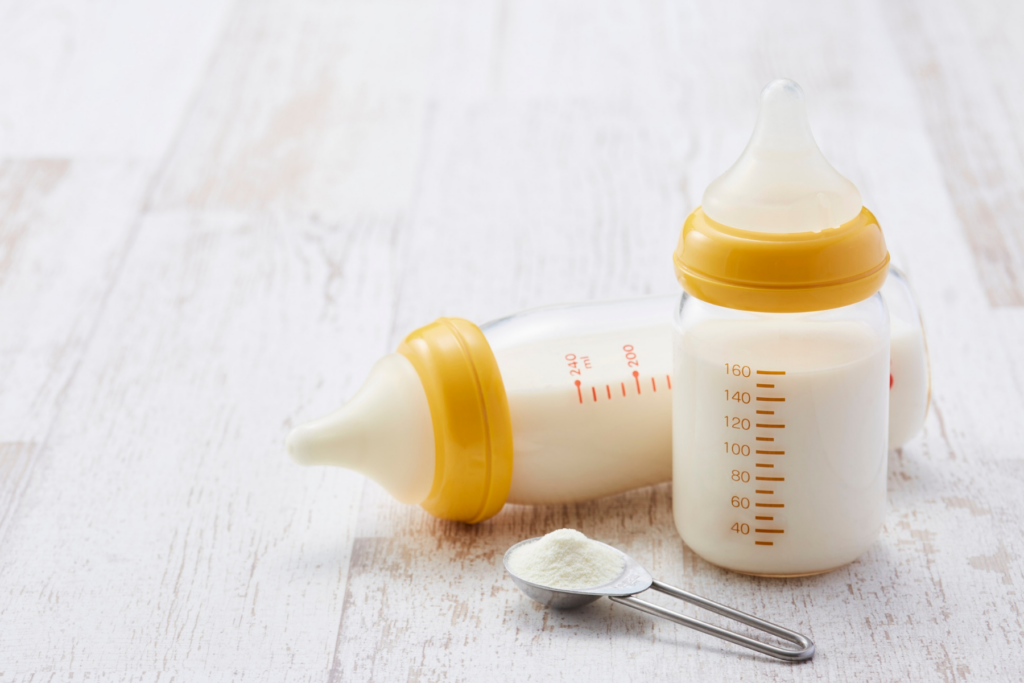
According to the American Academy of Pediatrics (AAP), babies younger than 6 months should not be given plain water unless directed by their pediatrician. Breast milk or infant formula provides all the hydration they need during early infancy.
Around 6 months of age, small amounts of water can be introduced alongside solid foods.
Too much water in young infants can interfere with electrolyte balance because their kidneys are still immature as well as take away from them receiving the nutrition they need via breast milk and formula. This is why breast milk and formula remain the primary fluid source throughout the first year of life.
Water Guidelines by Age
6–12 Months
- Approximately 4–8 ounces (0.5-1 cup) of water daily
- Breast milk and/or formula should still remain the primary source of nutrition and hydration
- Read more here about water needs!
1–3 Years
- Approximately 8–32 ounces (1–4 cups) of water daily
- Fluid needs vary based on activity level, climate, illness, and milk intake
4–8 Years
- Approximately 8-40 ounces (1-5 cups) of fluids daily
It is important to remember that total hydration needs include both water and milk intake. Click here to download our free hydration guide!
Milk Guidelines for Infants and Toddlers
Milk intake plays a major role in hydration during early childhood.
Birth to 12 Months
- Breast milk and/or infant formula are recommended
- Cow’s milk should not be given and should not replace breast milk or formula during the first year
12–24 Months
- About 2–3 cups of whole milk daily
2–5 Years
- Approximately 2 cups of milk daily
Many parents are surprised to learn that excessive milk intake can actually reduce water intake and sometimes impact appetite for solid foods.
If a toddler is drinking the upper end of recommended milk intake, they may naturally drink less plain water throughout the day.
How Much Water Does a Toddler Actually Need?
This is one of the most common questions I receive from parents.
Hydration needs are not always met through plain water alone. Milk, smoothies, yogurt, fruit, vegetables, soups, and other foods all contribute to total fluid intake.
For example:
- A toddler drinking 2–3 cups of milk daily may only need an additional 1–2 cups of plain water
- A child eating hydrating foods like watermelon, cucumber, berries, yogurt, and smoothies may naturally need less water than another child
- During illness, hot weather, or increased activity, fluid needs increase
Rather than focusing on perfection, I encourage parents to look at overall hydration patterns across the day.
Signs of Dehydration in Babies and Toddlers
Mild dehydration can happen quickly in young children, especially during illness, hot weather, travel, or periods of poor intake.
Signs of dehydration in babies may include:
- Fewer wet diapers
- No tears when crying
- Dry lips or mouth
- Sleepiness or lethargy
- Sunken soft spot (fontanelle)
Signs of dehydration in toddlers and young children may include:
- Dark urine
- Reduced urination
- Dry lips or sticky mouth
- Fatigue
- Irritability
- Headache
- Dizziness
If you are concerned about dehydration, especially in infants, always contact your pediatrician.
What If My Toddler Refuses Plain Water?
This is extremely common.
Many toddlers simply prefer familiar beverages like milk or are more interested in playing than stopping to drink. The good news is there are several gentle strategies that can help encourage hydration without pressure.
1. Offer Different Cups
Sometimes the issue is not the water itself.
Toddlers often become more interested in drinking when they are offered:
- Straw cups
- Open cups
- Silicone cups
- Water bottles with fun designs
- Cups in different colors or textures
Even small changes can increase interest.
2. Add Fruit for Flavor
Fruit-infused water can make plain water more appealing without relying heavily on juice.
Try adding:
- Strawberries
- Lemon slices
- Blueberries
- Mint
- Cucumbers
- Oranges
This can add flavor while still helping children build acceptance of water.
3. Add a Small Splash of 100% Juice
For toddlers over 12 months, adding a small splash of 100% fruit juice to water can sometimes help transition children toward drinking more water.
AAP guidelines recommend:
- No juice under 12 months
- No more than 4 ounces daily for ages 1–3 years
I generally recommend using juice strategically rather than as the primary beverage.
4. Model Water Intake
Children learn through observation.
One of the simplest ways to encourage water intake is to regularly drink water yourself and offer it consistently throughout the day without pressure.
Hydrating Foods for Toddlers
Hydration does not need to come only from beverages.
Many foods naturally contain high amounts of water and can help support fluid intake.
Hydrating foods include:
- Watermelon
- Strawberries
- Cucumbers
- Yogurt
- Smoothies
- Applesauce
- Oranges
- Soups
- Popsicles made with fruit
For selective eaters or toddlers who dislike drinking water, these foods can make a meaningful difference.
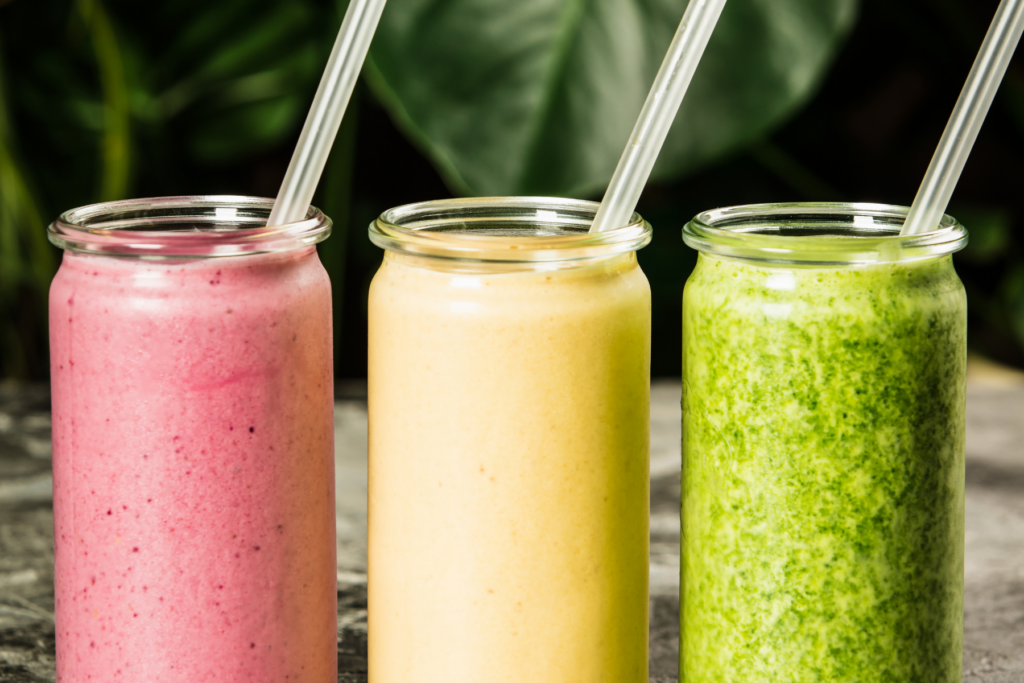
Smoothies and Popsicles for Hydration
Smoothies and homemade popsicles can be excellent ways to increase fluid intake.
Smoothie Ideas
Try combining:
- Milk or yogurt
- Frozen fruit
- Nut butter
- Chia seeds
- Spinach
- Avocado
For babies under 12 months, smoothies should not replace breast milk or formula.
Homemade Popsicles
Homemade fruit popsicles are one of my favorite hydration tools during:
- Hot weather
- Teething
- Illness recovery
- Poor appetite phases
Simple combinations like frozen fruit blended with milk or water work well. Something like DeeBees No Added Sugar Popsicles are great!
You can also use unsweetened yogurt or coconut water in moderation for older toddlers.
Common Hydration Mistakes Parents Make
Offering Too Much Milk
Excessive milk intake can reduce appetite for food and limit interest in water.
Using Juice as the Main Beverage
Juice should not replace water.
Even 100% juice contains concentrated sugar and lacks the fiber found in whole fruit.
Waiting Until Kids Ask for Water
Toddlers are often too distracted to recognize thirst cues.
Offering water regularly throughout the day is more effective than waiting for children to request it.
Assuming a Child Is Dehydrated Because They Drink Little Water
Some children consume adequate fluids through milk and hydrating foods even if they do not drink large amounts of plain water.
Overall hydration patterns matter more than a single drink.
Pediatric Dietitian Tips for Encouraging Healthy Hydration Habits
As a pediatric dietitian, these are the hydration habits I focus on most with families:
- Offer water consistently without pressure
- Keep water accessible throughout the day
- Pair water with meals and snacks
- Limit sugary beverages
- Use fun cups and routines
- Include hydrating foods regularly
- Model healthy hydration habits yourself
Healthy hydration habits in early childhood can help shape beverage preferences for years to come.
Final Thoughts on Hydration for Babies and Toddlers
Hydration in young children does not need to be complicated.
For most babies and toddlers, the foundation is simple:
- Breast milk and/or formula during infancy (Breastmilk is recommended up to two years of age and beyond! It still provides hydration after the age of 12 months)
- Water introduced around 6 months
- Milk and water as primary beverages after age one
- Hydrating foods included regularly
- Juice kept minimal
If your child refuses water at times, remember that this is incredibly common and often temporary.
Consistency, exposure, and low-pressure opportunities usually work far better than forcing intake.
Sources
American Academy of Pediatrics. AAP Recommends No Fruit Juice for Children Under 1 Year. HealthyChildren.org. https://www.healthychildren.org/English/news/Pages/AAP-Recommends-No-Fruit-Juice-for-Children-Under-1-Year.aspx
American Academy of Pediatrics. Recommended Drinks for Children Age 5 & Younger. HealthyChildren.org. https://www.healthychildren.org/English/healthy-living/nutrition/Pages/Recommended-Drinks-for-Young-Children-Ages-0-5.aspx
American Academy of Pediatrics. Choose Water for Healthy Hydration. HealthyChildren.org. https://www.healthychildren.org/English/healthy-living/nutrition/Pages/Choose-Water-for-Healthy-Hydration.aspx
American Academy of Pediatrics. Where We Stand: Fruit Juice for Children. HealthyChildren.org. https://www.healthychildren.org/English/healthy-living/nutrition/Pages/Where-We-Stand-Fruit-Juice.aspx
Want more? My course is a 100% evidence-based approach to starting solids in a way that encourages a healthy dietary pattern from the start.
Check out the Starting Solids 101 Course now!

Cinthia Scott is a Registered Dietitian (RD) and International Board Certified Lactation Consultant (IBCLC) with over 10 years experience in the field of dietetics. Cinthia focuses on ensuring optimal nutrition in the first 1000 days of life to ensure optimal growth and development as well as set the stage for long-term health. Cindy is an author, starting solids expert, and advocate for caregivers receiving evidence based education and support surrounding breastfeeding and starting solids.
Cinthia is co-author of the 101beforeone Starting Solids Book, “101beforeone -baby-led feeding cookbook,” and is the founder and owner of The Baby Dietitian LLC which is her private practice built to provide virtual 1:1 services for caregivers surrounding infant nutrition, toddler nutrition, and breastfeeding support. Cinthia is also the creator of the Starting Solids 101 Program which provides caregivers 1:1 support from a Pediatric Dietitian on how to provide optimal nutrition from the start and create healthy eating habits that will last their whole lifetime. To work with Cinthia, you can access her services here.
Cinthia provides tons of free information for parents on her social media accounts as well.
- Instagram: @The.Baby.Dietitian
- Tiktok: @The.Baby.Dietitian